Your Own Store Instead of Marketplaces
Marketplaces take 20–40% in fees, set the rules and own your customers. Your own store means independence: all revenue is yours, customer data is yours, and you control every decision.
What's included
No 20–40% commission
On a marketplace you pay referral fees, fulfillment, advertising and penalties. In your own store — only payment processing at 2–3%.
Your customers are yours
On a marketplace the customer belongs to the platform. In your own store you have their email, purchase history and can market directly without a middleman.
No platform risk
Marketplaces can suspend your listing, change algorithms or raise fees overnight. Your own store operates by your rules, 24/7.
Your analytics and ads
Google Analytics, Meta Pixel, full attribution. See exactly where each buyer came from, what they browsed and why they didn't convert.
Our work
All projects →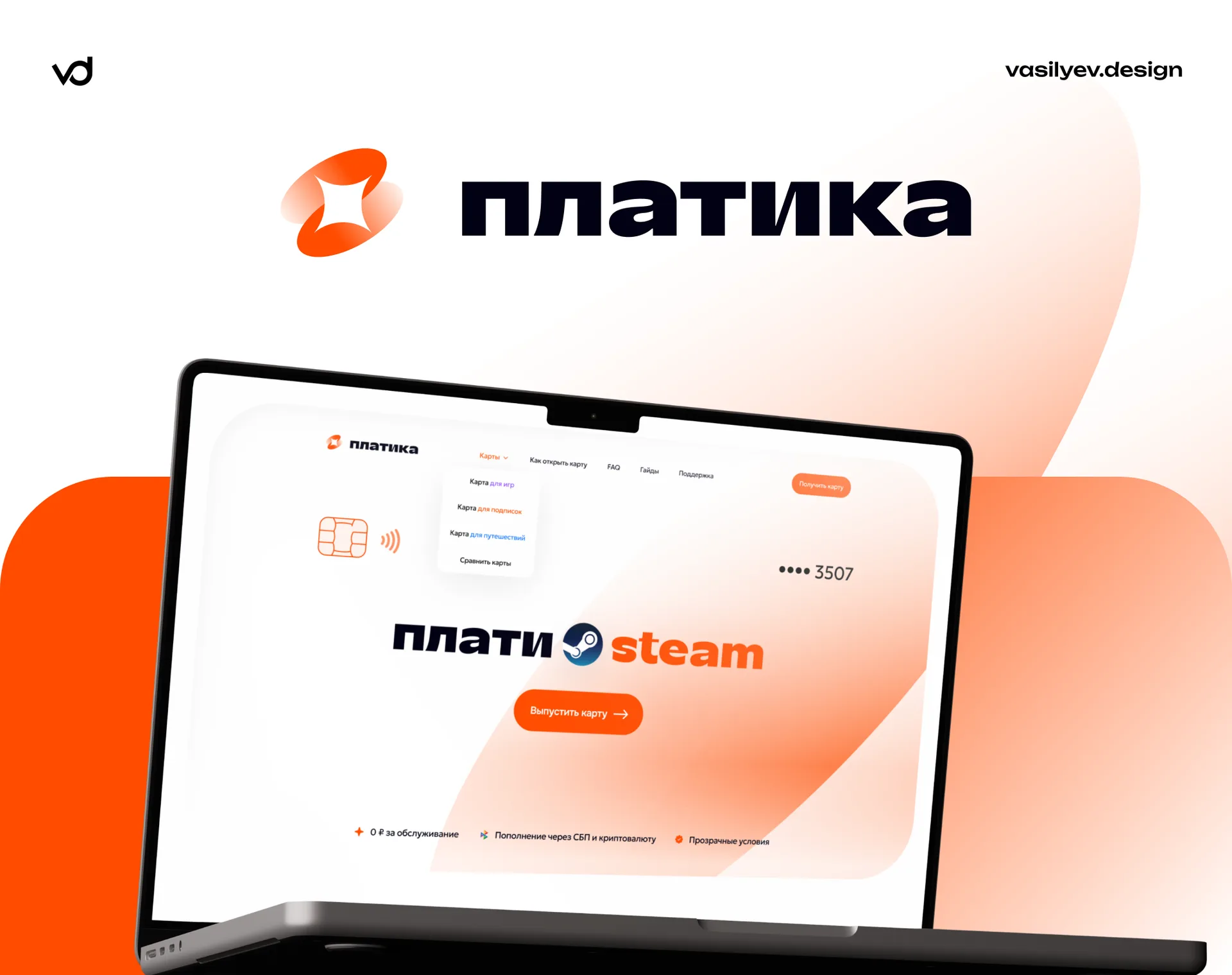




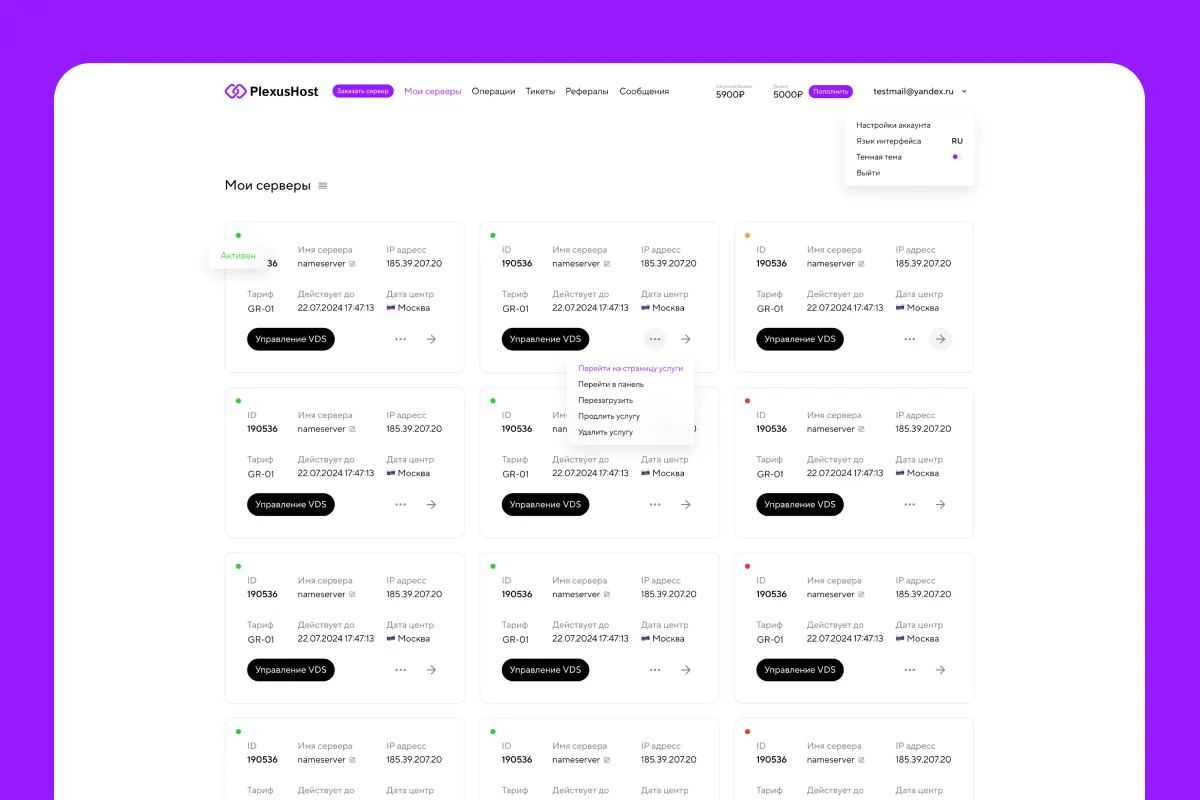
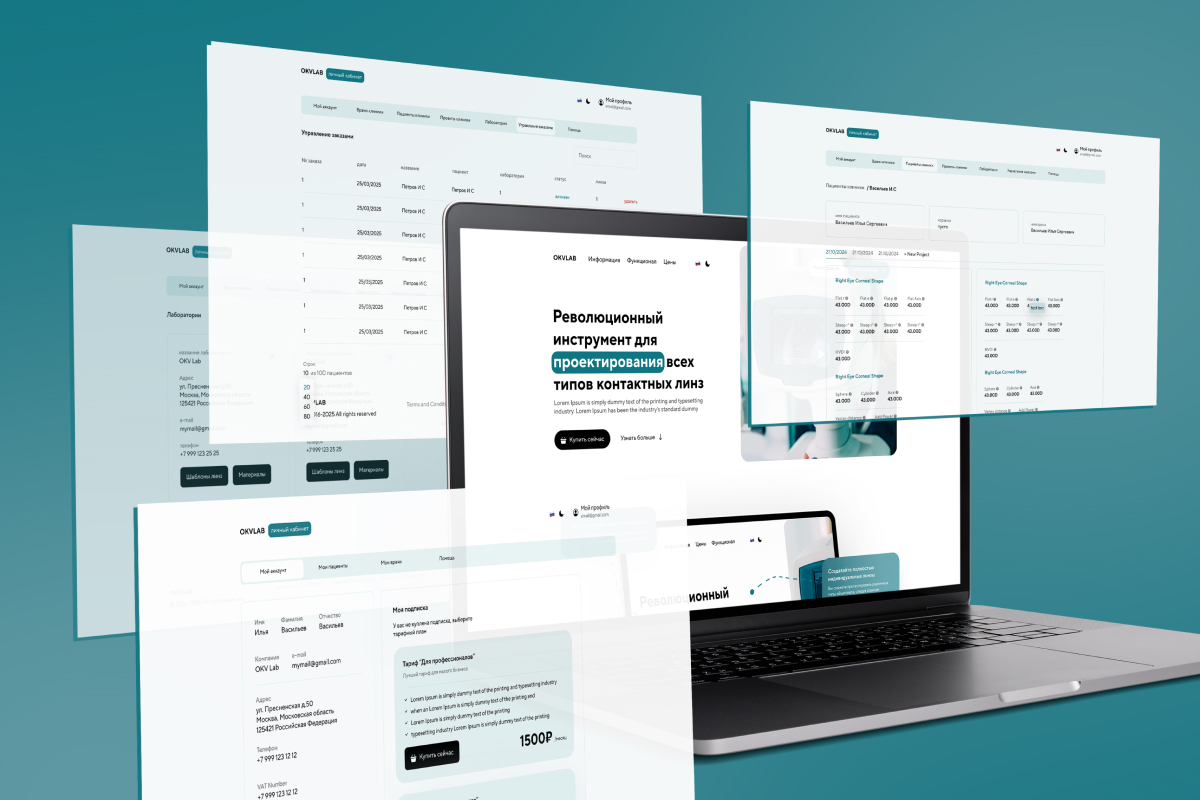
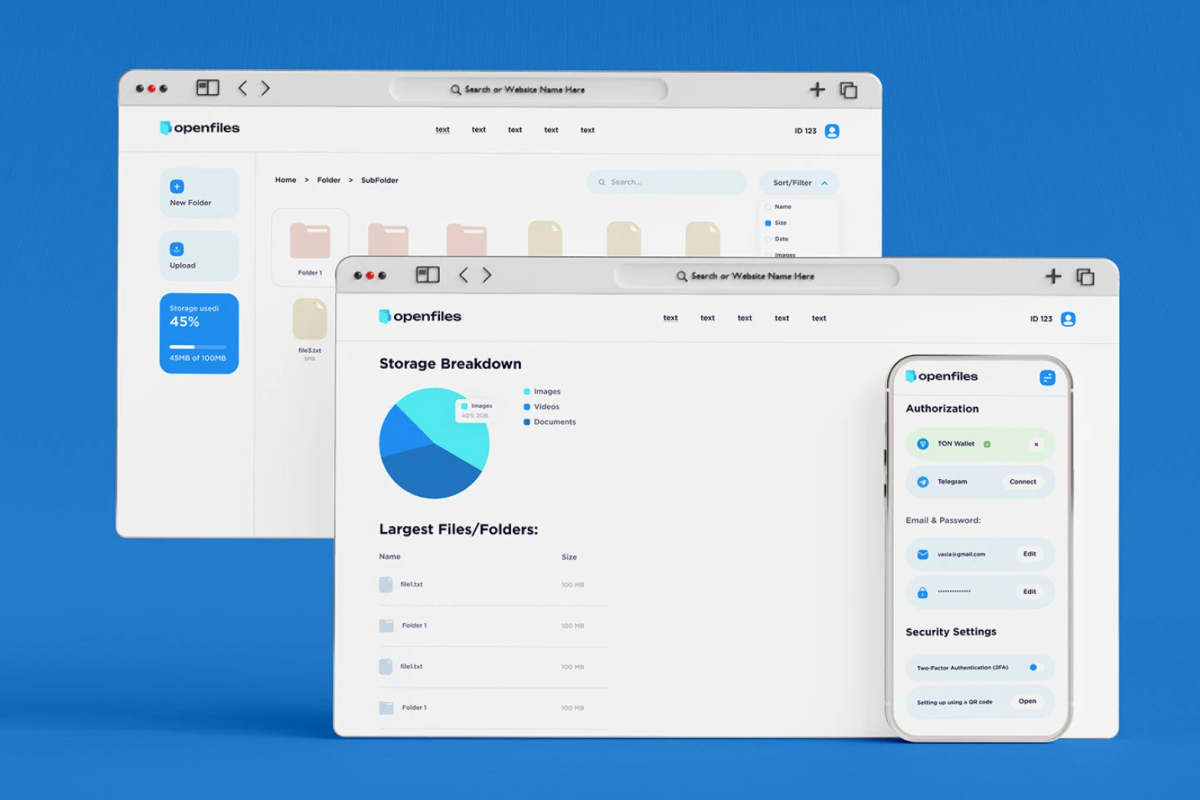
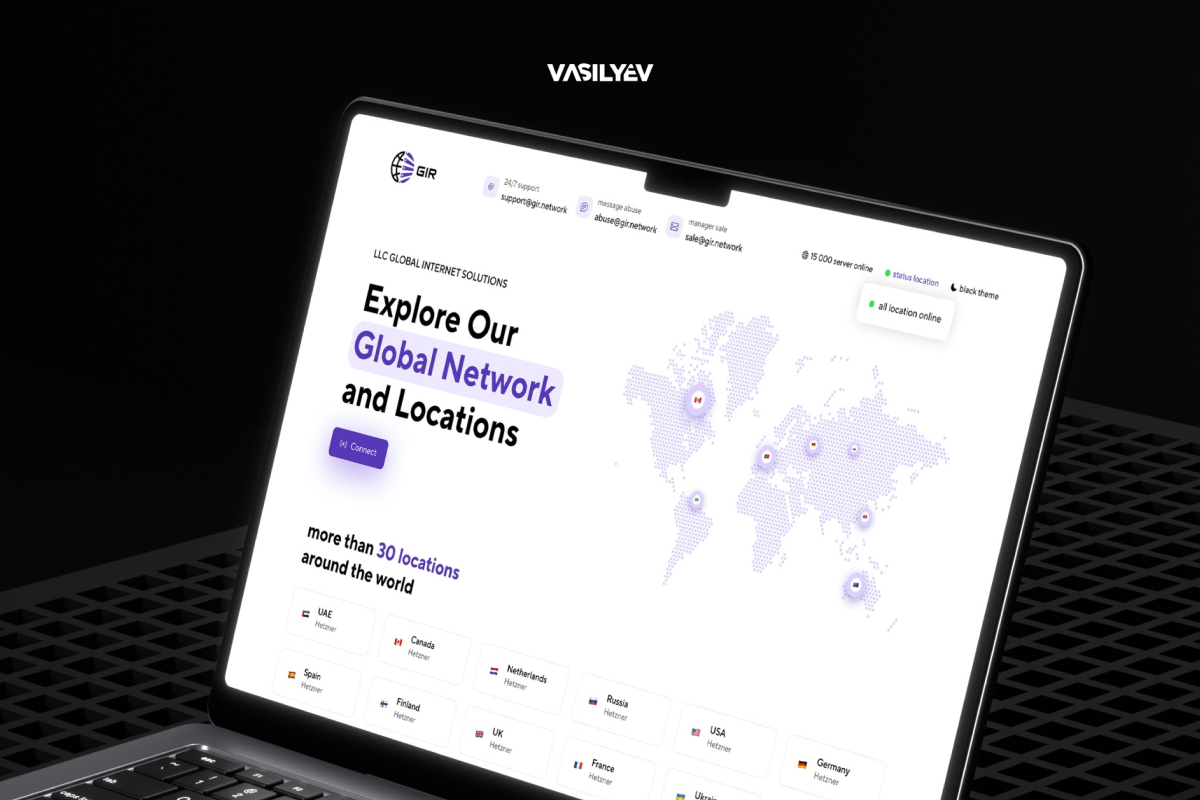
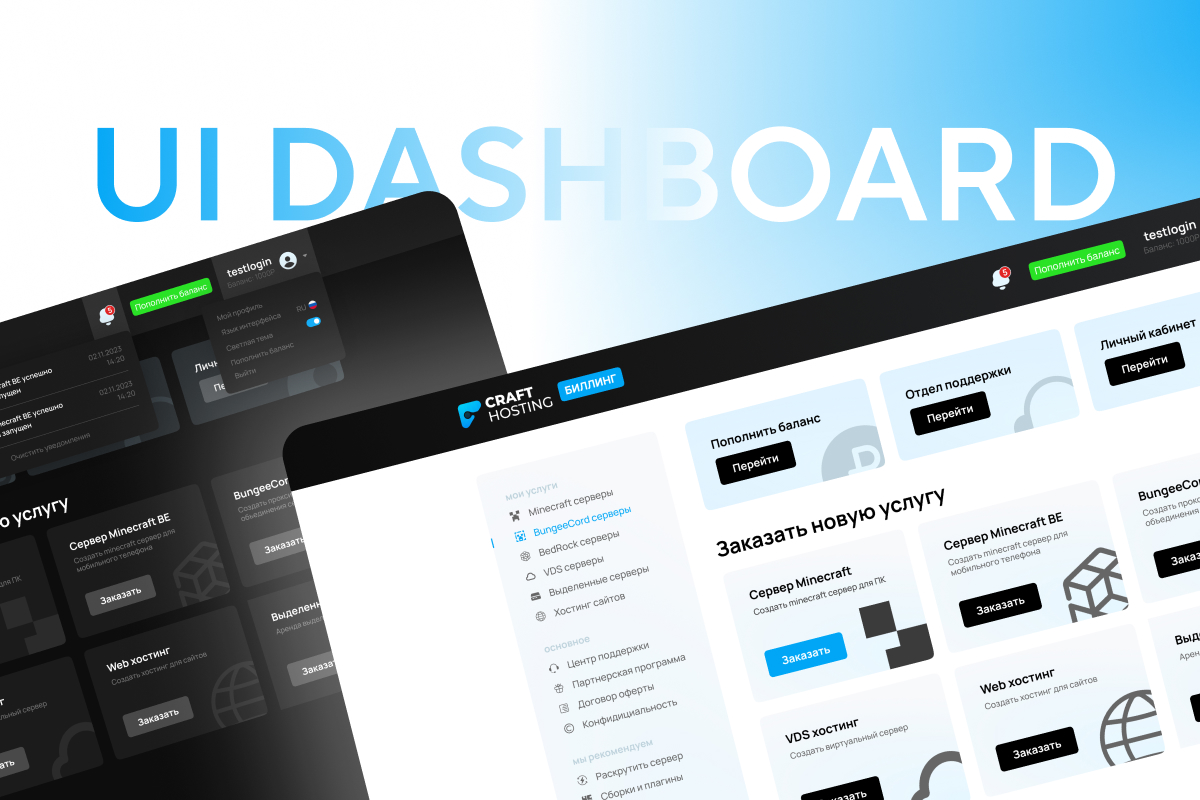
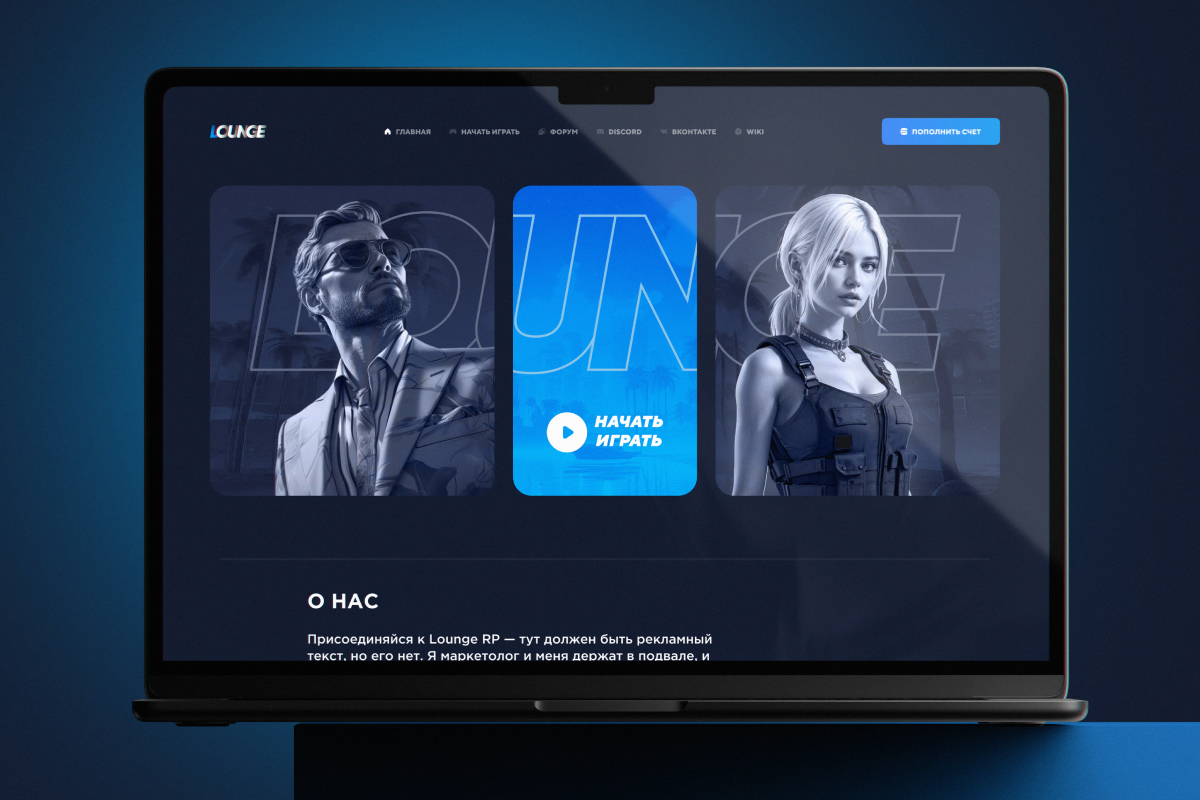

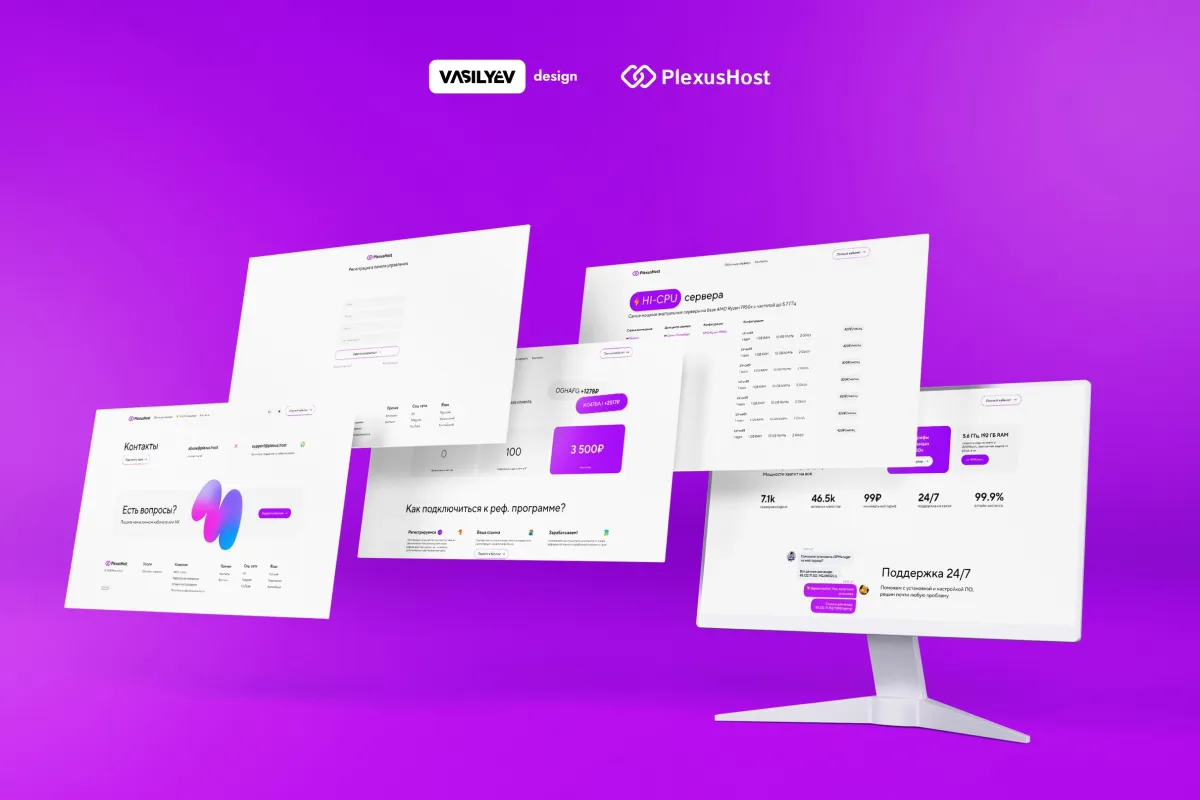


Why sellers are leaving marketplaces
Marketplace fees have been rising steadily. Referral rates, fulfillment costs, advertising spend and chargebacks can easily consume 40–50% of revenue on competitive categories. Meanwhile account suspensions and listing removals create unpredictable operational risk.
Your own store solves these problems. You set the prices, keep the margin, own the customer relationship and can retarget buyers without paying the platform to reach them again.
Can you sell on both?
Yes — and that is the optimal strategy. Marketplaces provide discovery traffic; your own store provides margin. We build stores with inventory sync across sales channels so stock levels stay accurate everywhere. The first step is understanding your specific situation — contact us to talk through it.
FAQ
Yes, and many sellers do it successfully. The pattern: keep marketplace presence for discovery traffic, launch your own store in parallel, and convert repeat buyers through email, SMS or Telegram. Return customers move willingly because your store can offer a better price — without the platform's cut — and a more convenient checkout experience.
A simple store on a builder (Tilda, Shopify) starts from $500, launch in 5–7 days. A full-featured custom store with CMS, filters and integrations starts from $1,200, timeline 4–8 weeks. For comparison: a 25% marketplace fee on $5,000/month in revenue is $1,250 — the store pays for itself in the first month of margin difference.
We export your product catalog from the marketplace dashboard, adapt descriptions for SEO, and import them into the new store's CMS. Photos transfer automatically. For large catalogs (1,000+ SKUs) we automate the import via API or feed files. This typically takes 1–3 days depending on volume.
Traffic requires active effort — same as on a marketplace, but here you control it fully. Google Shopping and Google Ads, SEO, email list from marketplace buyers, social media retargeting. Many sellers start by converting existing marketplace customers through package inserts with a QR code and a first-order discount for the direct store.
Yes. We integrate inventory management systems and set up bi-directional sync with marketplace APIs. When stock reaches zero in your store it is automatically delisted on the marketplace, and vice versa. This eliminates overselling and the associated penalties.